THE SUIR BLUEWAY · LOCAL GUIDE

Things to See & Do

Discover the Suir Blueway, a picturesque 21-kilometre cycling route following the historic riverside towpath from Carrick-on-Suir through Kilsheelan towards Clonmel.

Along the way, explore centuries of local history, from medieval castles and ancient churches to beautiful stone bridges and riverside landmarks.

Ormonde Castle
01 / 17

Castles & Historic Houses

Ormonde Castle

An important example of Elizabethan architecture in Ireland, Ormonde Castle was developed by Thomas Butler, the 10th Earl of Ormond. The manor house incorporates two older 15th-century towers and is known for its elaborate decorative plasterwork, including portraits within its historic state rooms.
St. Mollerans Church
02 / 17

Churches & Heritage

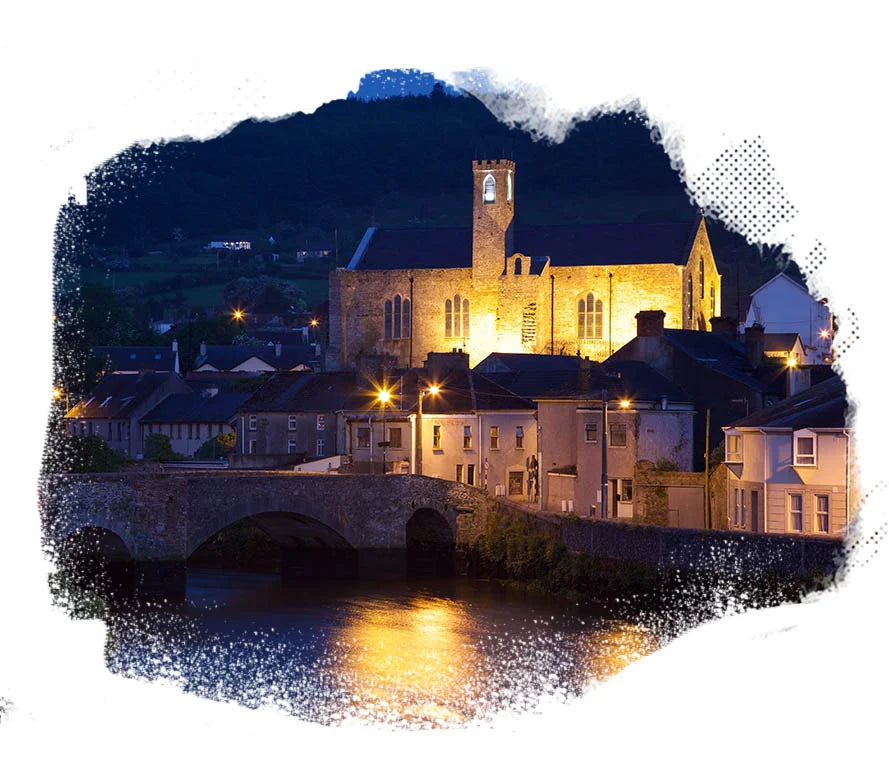
St. Mollerans Church

Located across the River Suir, St. Mollerans Church occupies the site of a medieval Franciscan friary. Parts of the earlier building survive within the present church. Its surrounding history also includes a boundary wall associated with a famine-relief work project during the 1840s.

The Old Bridge
03 / 17

Bridges & Riverside Landmarks

The Old Bridge

The Old Bridge at Carrick-on-Suir dates back to 1306 and historically provided an important crossing between Waterford and Tipperary. Its medieval stone construction made it a significant transport connection between South Leinster and East Munster for centuries.

Davin’s Weir and Tower
04 / 17

Bridges & Riverside Landmarks

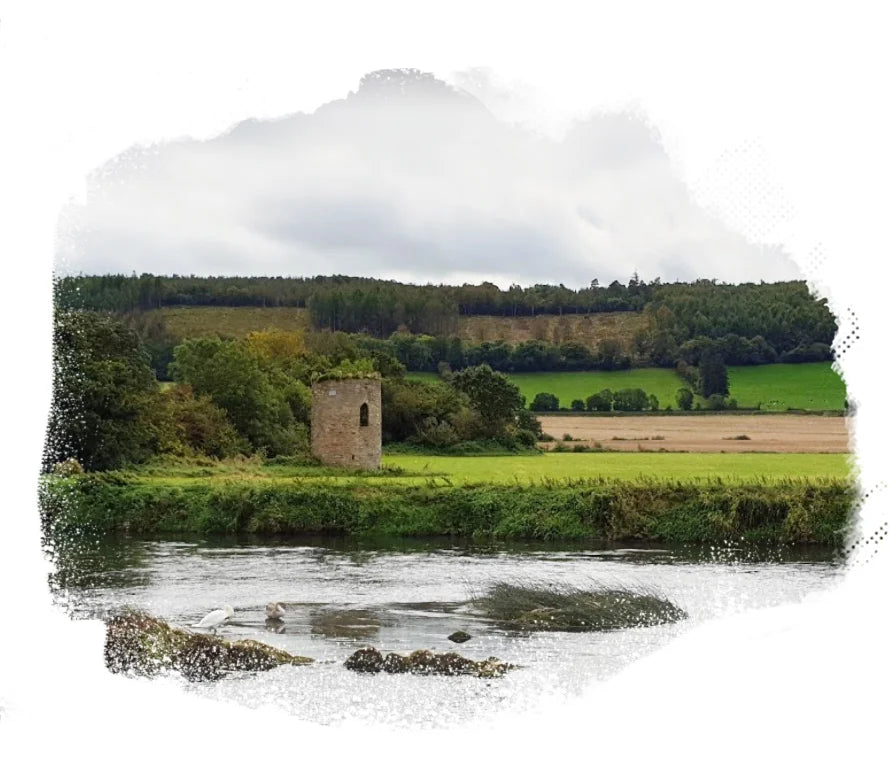
Davin’s Weir and Tower

This historic fishing weir sits near the tidal limits of the River Suir. The nearby tower was constructed by Lord Waterford during the 1820s, while fishing rights later became associated with the Davin family. The tower is regarded more as an ornamental structure than a practical defence against poaching.

Dove Hill
05 / 17

Castles & Historic Houses

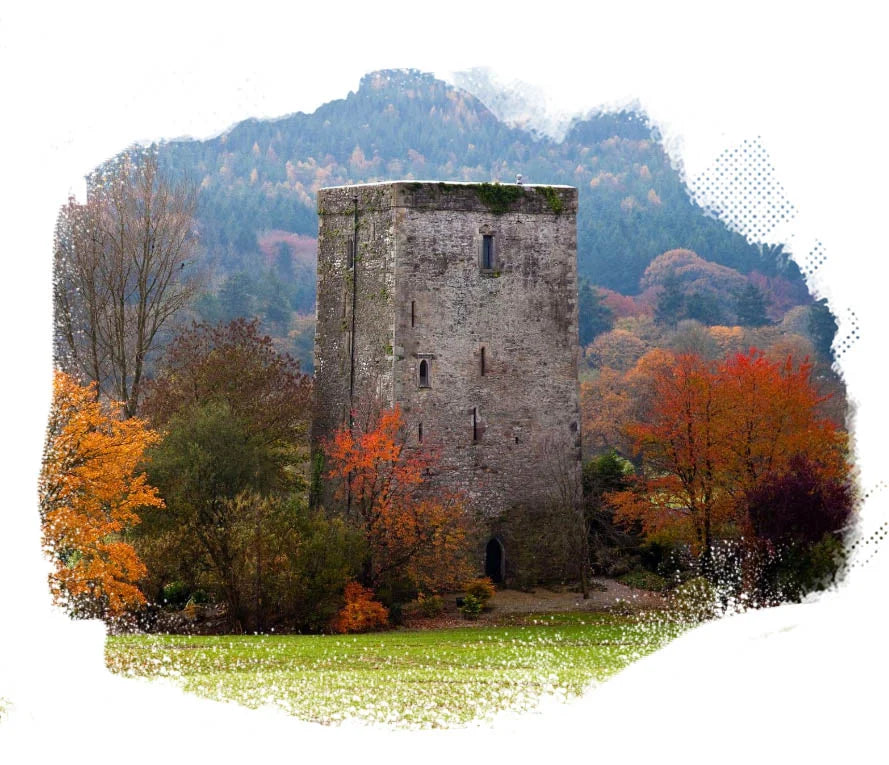
Dove Hill

Dove Hill Castle is a medieval Norman tower house dating to the 14th century. Its riverside position made it strategically important for monitoring movement along the Suir. Over subsequent centuries, the property passed between several powerful families and became associated with conflicts during the Cromwellian period.

Churchtown Burial Ground
06 / 17

Churches & Heritage

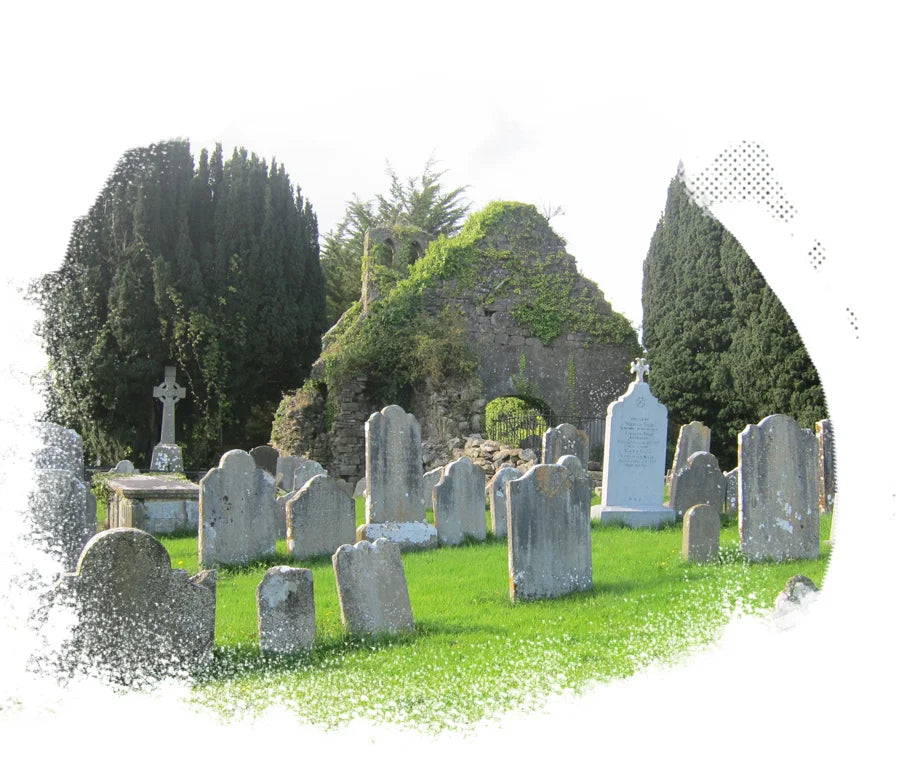
Churchtown Burial Ground

The remains of an ancient church overlook a carefully maintained burial ground associated with the former parish of Dysart. Notable historical figures buried here include Colonel James Roche and Maurice Davin, the prominent Irish athlete and co-founder of the Gaelic Athletic Association.

Glyn Castle
07 / 17

Castles & Historic Houses

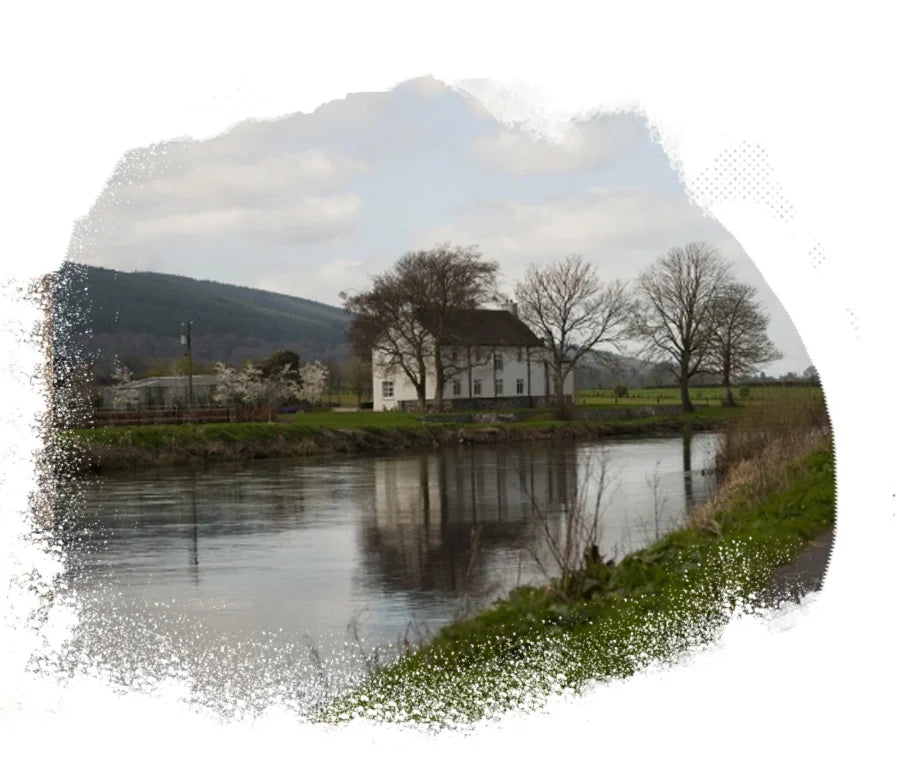
Glyn Castle

Glyn Castle stands on the site of an earlier medieval fortification. The later house was built by the Everard family before its lands passed to Colonel James Roche. Local tradition recounts that Roche could fish for salmon directly from his window. Remnants of the older castle can be seen from the towpath.

Poulakerry Castle
08 / 17

Castles & Historic Houses

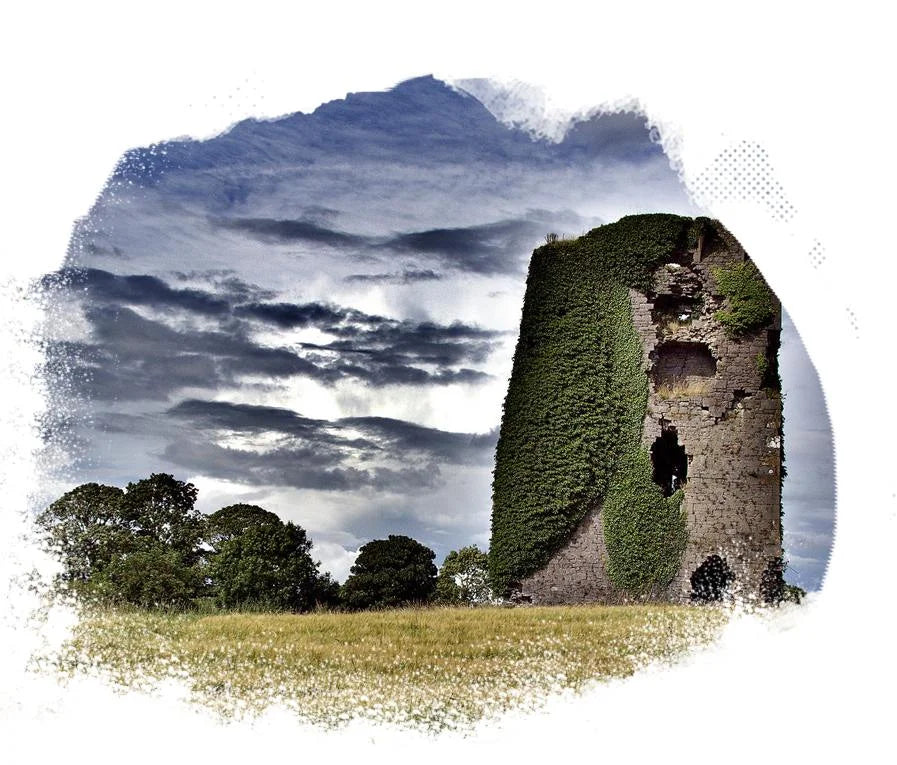
Poulakerry Castle

Poulakerry Castle is a fortified tower house overlooking an important bend and crossing point on the River Suir. Built during the 16th century by a branch of the Butler family, it represents the fortified residences occupied by landowning families during that period.

Kilsheelan Old Church and Graveyard
09 / 17

Churches & Heritage

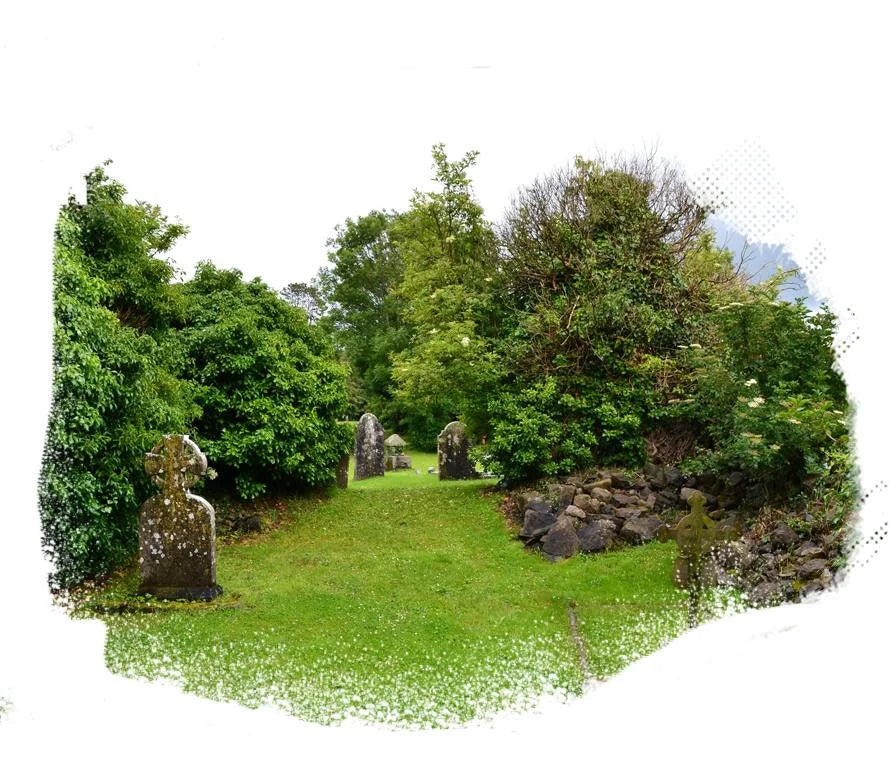
Kilsheelan Old Church and Graveyard

The ruins of Kilsheelan's medieval church date to the 12th century and include a carved Romanesque stone doorway. The surrounding graveyard and riverside wildflower area provide a peaceful historic setting. Local conservation work has also focused on controlling invasive Japanese knotweed.

Kilsheelan Norman Motte
10 / 17

Castles & Historic Houses

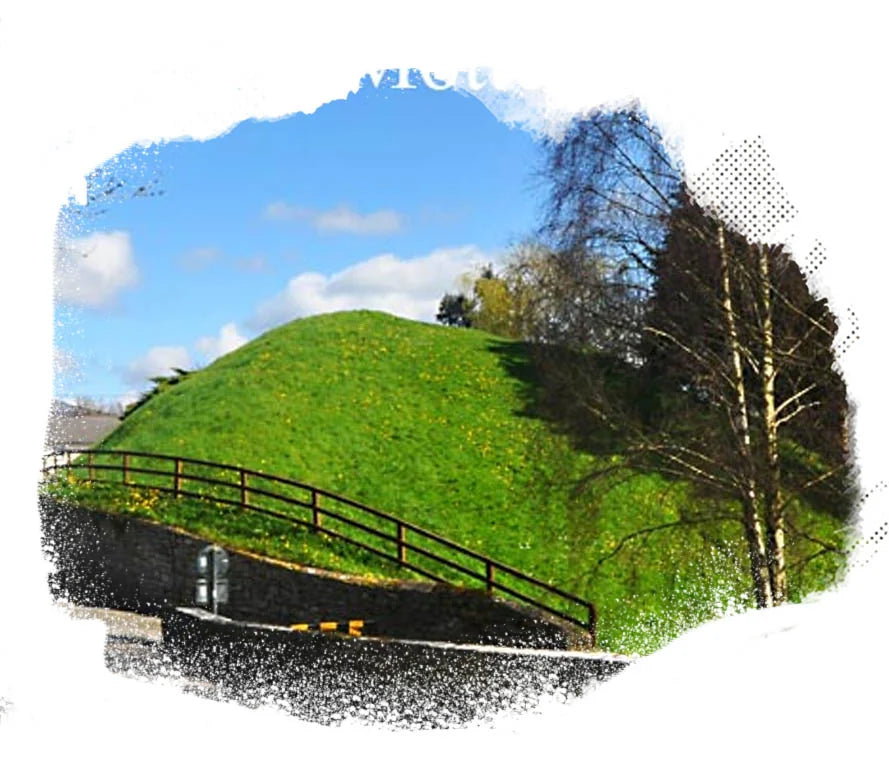
Kilsheelan Norman Motte

This substantial earthwork is an example of the defensive mounds associated with Anglo-Norman fortifications. The raised mound was formed using earth excavated from the surrounding ditch and reaches approximately 10 metres in height. A grotto was subsequently established here in 1948.

Kilsheelan Bridge
11 / 17

Bridges & Riverside Landmarks

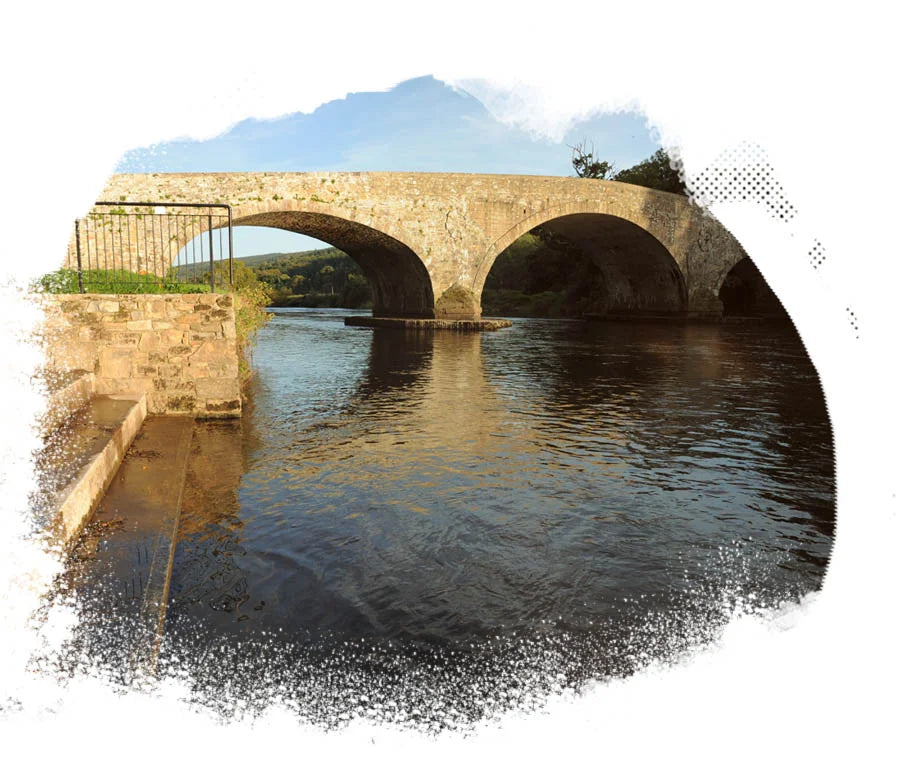
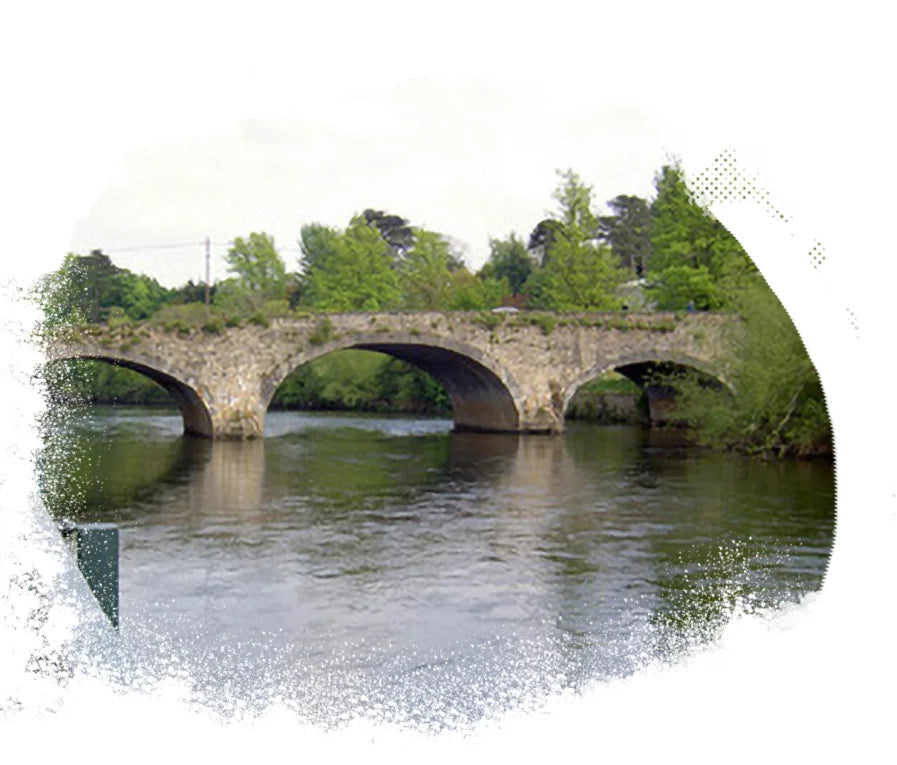
Kilsheelan Bridge

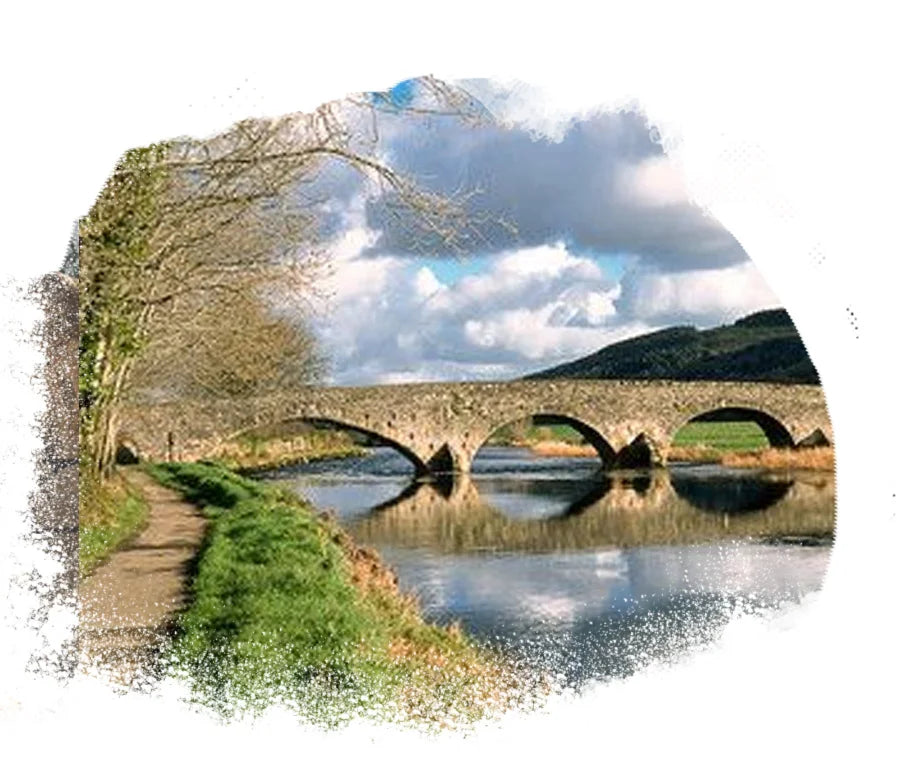
Built in 1820, Kilsheelan Bridge is an attractive stone crossing with three principal arches and an additional smaller arch historically associated with pedestrian and barge activity. Its gently raised profile is a distinctive feature of the local riverscape.

De La Poer Castle
12 / 17

Castles & Historic Houses

De La Poer Castle

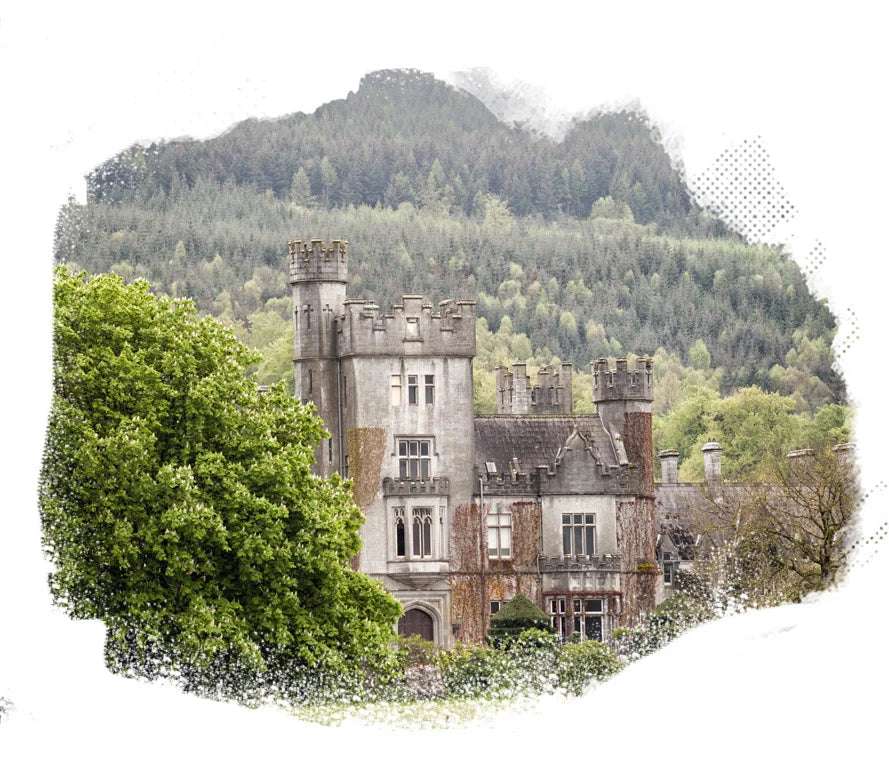
Gurteen Le Poer is an imposing baronial residence constructed between 1863 and 1866 for Edmund, the 18th Baron le Poer. It replaced earlier houses on the site and overlooks the southern bank of the River Suir. The estate is closely connected with the historical succession disputes of the Le Poer family.

Killaloan Church
13 / 17

Churches & Heritage

Killaloan Church

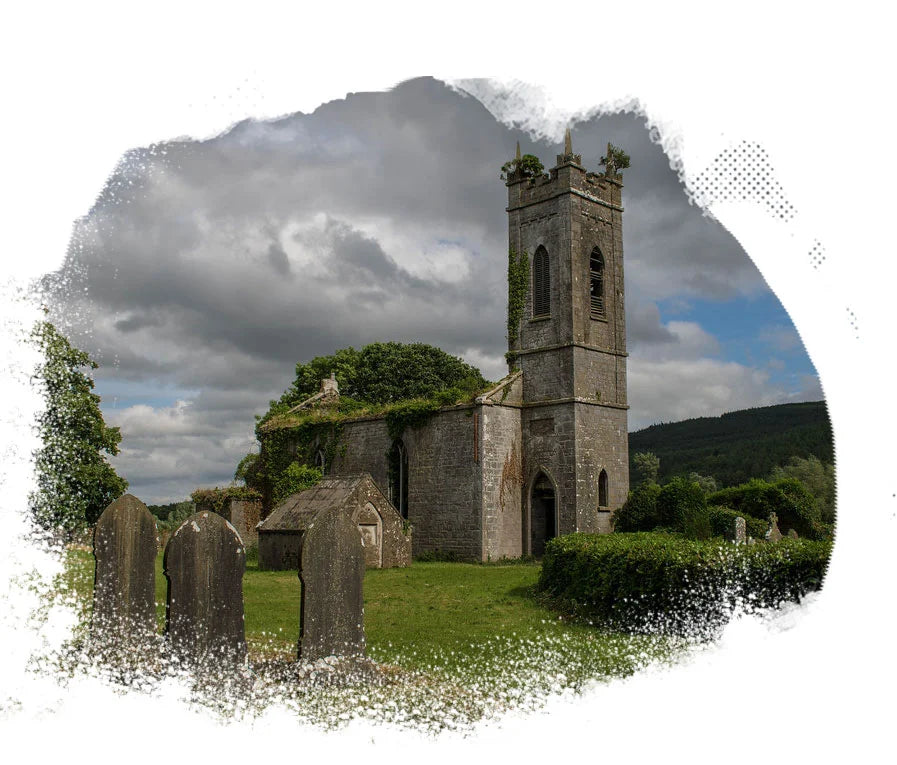
Killaloan Church was constructed between 1825 and 1827 and is notable for its carefully finished stonework. Although now roofless, the building remains an attractive historic ruin. The neighbouring burial ground contains the Osborne family vault, while the entrance was later realigned towards Newtown Anner House.

Tickincor Castle
14 / 17

Castles & Historic Houses

Tickincor Castle

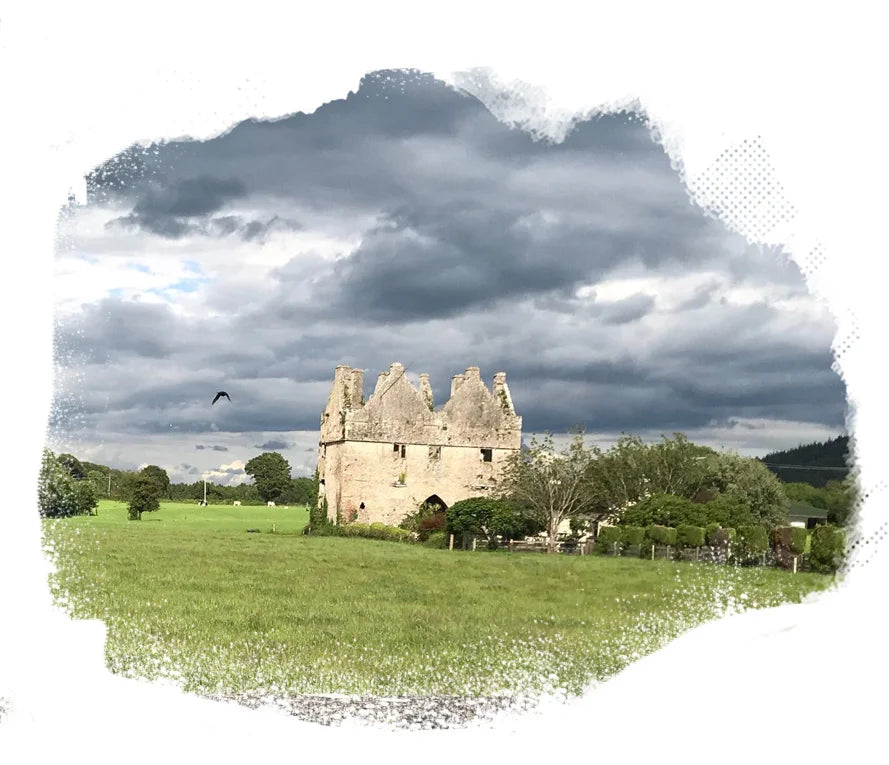
Tickincor Castle was a Tudor-style fortified residence constructed by Alexander Power during the reign of James I. The property subsequently passed into other hands following the confiscation of Power's lands.

Sir Thomas Bridge
15 / 17

Bridges & Riverside Landmarks

Sir Thomas Bridge

Sir Thomas Bridge was built in 1690 by Sir Thomas Osborne, who owned land on both sides of the river. It is also associated with the sinking of the Avondale, a coal-carrying river vessel travelling between Carrick and Clonmel. The incident was later commemorated in a published ballad.

Minella Hotel
16 / 17

Castles & Historic Houses

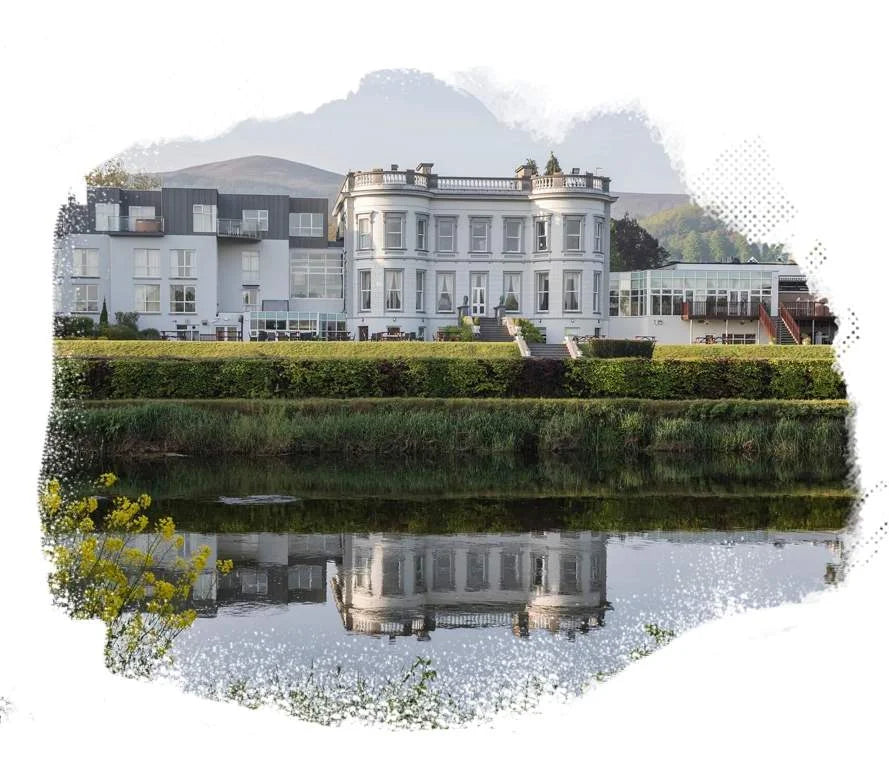
Minella Hotel

The historic Minella residence was built in 1863 by Thomas Malcomson, whose family developed extensive commercial interests in Ireland and abroad. The elegant neoclassical house was eventually converted into a country house hotel in 1963.

Gashouse Bridge
17 / 17

Bridges & Riverside Landmarks

Gashouse Bridge

Built in 1825, Gashouse Bridge has five principal arches and historically marked an important point on the riverside towpath. Horse-drawn barges travelled along the route before returning downstream with the river current. The bridge remains a reminder of the Suir's industrial and transport heritage.

Explore more of the Blueway by bike.

Discover the scenery, history and hidden landmarks along the River Suir at your own pace.

Book Your Bike